Honduras:
 The border crossing into Honduras was pretty easy as the bus conductor took all our passports and did the dirty work himself - all we had to do was sit around and wait. We saw money changers, vendors, bicycle taxis and stray dogs while waiting as well as young kids begging for money. The journey there should have taken 12 hrs although an accident caused us to queue for 2 hrs before we were dropped off in a dark little town called La Guama. We departed the Tica bus with the words of warning from the bus conductor - “watch out, bad chicos”. It was slightly unnerving walking with our valuable luggage trying to find a taxi as it was dark and we’ve been warned that Honduras can be a dangerous place, especially after dark. Our moods fell after chatting to some of the locals to discover that there were no buses, no taxis and no hotels – we were screwed! In a final bid to try and get help we walked over to the police van which was parked where another accident had occurred and in my best broken Spanish asked for help. We were really lucky as Pablos, the town’s English speaking mayor, came to our rescue and asked the police to drop us off at D&D Breweries – thanks Pablos! So it was that we travelled in the back of a police van on day one in Honduras – brilliant!
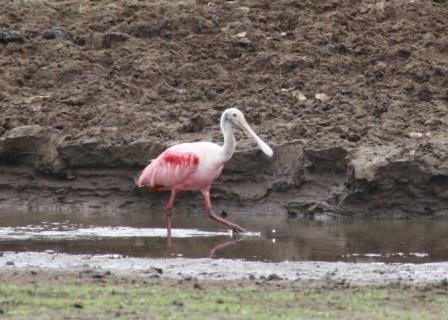
  D&D Breweries (Los Naranjos): D&D stands for Dale and Dog and is a small micro brewery with pool, bar, wifi and good western food. Located amidst lush green trees and a well kept garden in which I sat sipping beer and spotting many of the various species of birds. Lago de Yojoa is the largest lake in Honduras and it is beautiful with sections of marsh and water lilies, with water birds, tilapia and bass all around. I was of course very interested in trying to catch a few of the fish. One of the locals rented out small rowing boats very cheaply (50 Lempira) so fairly soon we were paddling down a river and towards the lake. We met a friendly Canadian guy called Jason back at the breweries who joined us on the boat – I felt slightly smug as he did most of the rowing while I tried to catch one of the elusive bass! The lake’s fish population remained the same that day as we returned back to the brewery empty handed. At least it was a very scenic paddle and I could drown my sorrows with either a freshly brewed draught of pale, apricot, strawberry, amber or porter ale.
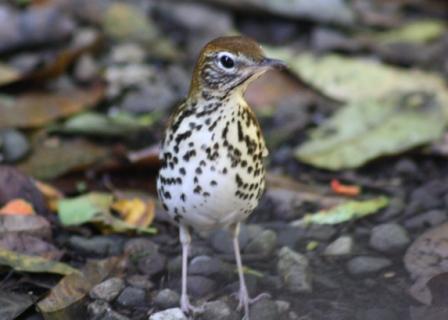 The surrounding countryside was ideal for hiking as it had tree-lined mountains, streams and coffee, banana and sugarcane plantations. We went hiking a few times and really enjoyed our green surroundings and the strong, almost jasmine-smelling, coffee plant blossoms. A few snarling dogs from the local houses had us on edge and my hands full of rocks but at least they never attacked which was a good thing as most of them look pretty scruffy. Dogs can be a constant threat as you never know what they might do or worst case if they have rabies. I felt pretty bad seeing so many hungry, sick or homeless dogs scavenging for scraps of food but unfortunately they have been a constant while travelling through South and Central America.
  The local transport around Central America are old yellow US school buses which are nicknamed “chicken buses” by travelers for obvious reasons. Travelling on them provided constant entertainment as we watched people getting creative with what they loaded on them. It could be anything from fruit, flour and clothes to machetes, TVs, plastic toys and even live animals! The local guys put my few spikes to shame with their shiny rock-hard gelled hair – it must cost them a fortune in hair product! Any screaming kid simply had a boob shoved into their mouths (no raised eyebrows) while vendors climbed onboard to try and sell their wares at most stops. Travelling on a chicken bus sure was an experience!
  We boarded one of these for a visit to the Pulhapanzak waterfalls one day with Jason tagging along. After seeing Iguazu Falls it is difficult to be impressed by waterfalls but on that day we were. It wasn’t so much the waterfalls itself but rather the hike behind the falls that was an absolutely brilliant experience. We first had to slip and slide our way along a muddy path and from there swim up a few holes to reach the crashing water. The only way we could navigate was by holding hands, whilst looking down and breathing through our mouths while the water crashed down on our back and heads. Most of the time I couldn’t see anything because of the falling water but I shuffled along to finally enter the space behind the falls. Jason and I crawled up a small entrance to a dark cave, after which we had to take the same route back out of the waterfall. A high cliff jump into a too shallow pool (my feet touched rock on both jumps!) rounded off a nice experience even though it would have seriously failed all UK health and safety regulations!
 Copan Ruinas: To get to Copan we had to board another chicken bus to San Pedro Sula where we took a comfy Hedman Alas coach. The chicken bus driver that day must have thought that he was Schumacher as he raced around like a madman and we were relieved to be alive after all the hectic swaying, braking and hooting. The final means of transport that day was a small moto-taxi in Copan to our hostel Iguana Azul. I was amazed not only by the fact that our little driver managed to get our large bags into the small taxi but also that he managed to get us up the steep hills. Between Gillian and I, we have 6 heavy bags for all our clothing, camping gear and my fishing tackle and at one point the poor little taxi had to try a second time to get up this very steep hill as it skidded back a bit the first time! Luckily we made it to our destination after an eventful day and settled in for the night. Copan Ruinas is a small but pretty town with lots of charm. The locals were very friendly and there were ample good restaurants and cafes or street vendors selling local food such as rice and beans (mashed black), tortillas, meat and salad. The streets are cobbled stones and as the town is built on a hill, we had a nice view over the surrounding countryside.
 Copan Ruins: The last time we saw ruins was in Machu Picchu many months ago so we were pretty excited to see some more. After a short walk out of town we reached the ticket office and to our surprise bumped into Larry and Fred. They are two friends from Canada travelling through Central America on motorbikes who also stayed at D&D Breweries. It was nice seeing two friendly faces again and the four of us took off to see the ruins without a guide which was a little like the blind leading the blind! We’ve heard rumors about seeing scarlet macaws in the wild but always failed to do so due to them being caught and sold on the pet trade. It was a very special treat when we happened upon 20 squawking macaws at the entrance to the ruins!
 We were all very impressed with the size and brilliant colors of these birds and took many photos. Just as impressive were the ruins that were sprawled out in the jungle and occupying a vast area. The Hieroglyphic Staircase was spectacular to say the least even with the large canvass protecting it. I had to wonder how such a large civilization of 200,000 people could just simply disappear and was surprised by the simple answer. There were just too many of them causing a shortage of food and overgrazing of the land. That of course caused floods and sickness and ultimately people left for greener pastures.
 Finca El Cisne: We read online about this trip and all the reviews were really good. The trip consisted of an overnight stay on a cardamom/cocoa/coffee farm and incorporated a horse ride. Finca El Cisne was situated in amongst rolling green hills and forest covered mountains. It was a beautiful area and I would have loved to stay there longer. Carlos with his cheeky and sometimes slightly sarcastic sense of humor was the owner and tour guide. He is a very nice guy and made our trip very memorable with his vast knowledge of plants, animals and agriculture. While driving to his farm I noticed the typical dress for the men: Gumboots (Wellies), jeans, tucked-in collared shirt with large buckled belt, cowboy hat and always a machete in hand. What I also found very interesting is that they use these to mow their lawn! We stayed for the night in his guest house while two local ladies cooked us typical Honduran meals. After settling in, Carlos showed us his corn, beans, yuca and cocoa plantations while sharing a few interesting facts. He made me taste a tiny unsuspecting chili (for South Africa!) which burnt my mouth for a long time after. I was dreading my trip to the toilet the next day…
 Next up was horse riding and after putting on some cowboy hats I was sitting on my feisty horse, Cleopatra. There were 9 of us that day so a slightly big group to control. I’ve been very disappointed previously with horse riding trips as you never get to gallop but on this occasion we were in luck. Even though we mostly kept together in a group, we could take the horses for a gallop whenever we felt like it. Cleopatra was a lovely horse and I galloped quite a few times that day which was really nice. Along the way we stopped at the tilapia pools where we rested the horses and got to drink some coconut water from coconuts Carlos knocked from the palm trees. Unfortunately we had a slight incident that day: while galloping one of the Belgium guys steered his horse too close to some bamboo plants. One of the dried bamboo shoots cut deep into his arm causing him to bleed badly so we had to skip the cardamom plantations and make our way straight back to camp. Fortunately Carlos’ sister is a doctor so the injured Belgium was stitched up and we all sat down to a nice lunch of typical local food.
 After a post lunch rest, it was time to learn more about cocoa plants. Carlos showed us a few trees while we sample a few beans which tasted really sweet on the outside. Pods are usually green and when they turn yellow it is time for harvesting. The beans are first fermented and then left outside to dry. The beans then need to be roasted before they are ready for making chocolate. Next up was a short visit to the coffee production plant to see how they process coffee. We knew most of the processing details already due to our visit to Britt Coffee in Costa Rica. Most of their beans are exported while still green to America and European countries. That way the coffee stays fresh and the client can blend and roast the coffee as required. Whilst doing our tour Carlos heard a wild toucan and pointed it out to us. They make a funny sound, almost like a frog, and I managed to spot one far up in the trees. It is always much nicer seeing the birds in the wild instead of captivity.
  At the end of the day it was time for a soak in the hot water springs. I’ve never seen a hot waterfall before as it fell into a small river below and mixed with the cold water. We had to search for spots where the water mixed to a comfortable degree as the main waterfall was boiling! It was a nice way to end the day especially with the prospect of a delicious dinner after. And dinner that night did indeed meet our expectations as we tried many various local specialties - some common and some with a twist. I kept hammering poor Carlos with questions and tried my best to pronounce the names. The next morning I did the same with our breakfast which also consisted of many different dishes. Carlos didn’t mind answering all my questions and was a brilliant host. I could easily have stayed longer and would have loved to hike up the mountain and walk along the crest looking down into the valleys. Unfortunately we just didn’t have the time and had to make our way back to Copan. I can highly recommend the Finca El Cisne tour to anyone!
Macaw Mountain: We settled back into our room in the Iguana Azul hostel in Copan and met up with Jason since it was our last day in Copan. We took a bumpy ride in a moto-taxi up the hill to the Macaw Mountain bird sanctuary. It is a charitable organization run by an American guy who started off small but then expanded due to demand. Polly, a crazy moon walking, talking, head bobbing parrot met us at the reception and showed us in. It is an interactive place as you can walk through some of the large cages as well there being an exhibition area where the birds are out of their cages. I tried scratching a few little heads but thought better when I saw their beaks coming my way.
 We saw many birds including the large scarlet macaws, parrots, pygmy owls, falcons, and of course my favorite, the toucans. I really loved interacting with the birds and couldn’t help myself from taking too many pictures. After lunch was served with a view over the small river and I felt slightly evil having the roast chicken in a bird sanctuary although it was prepared by the infamous Twisted Tanya and tasted really good. She has a well known restaurant in town where we went with Fred and Larry on their last night in town.
 Summary: Even though we only stayed in two places in Honduras we really enjoyed the country. Most of the locals were really friendly and greeted us with smiles as we walked around town. There was a large selection of food ranging from ladies standing in the streets grilling strips of meat served with rice, beans and tacos, to fancy restaurants. Internet was available in most places we stayed. The landscape was lush and green with mountains and lakes making it a beautiful country all in all. I really liked the country as it has so much going for it. Seeing many foreign people settling there made a lot of sense as not only do you have the beauty but you can also set up a business without all the red tape. I can really recommend a visit to this country.
More added extras:
Complete photo album: http://www.facebook.com/album.php?aid=343715&id=749927742&l=35737ae993